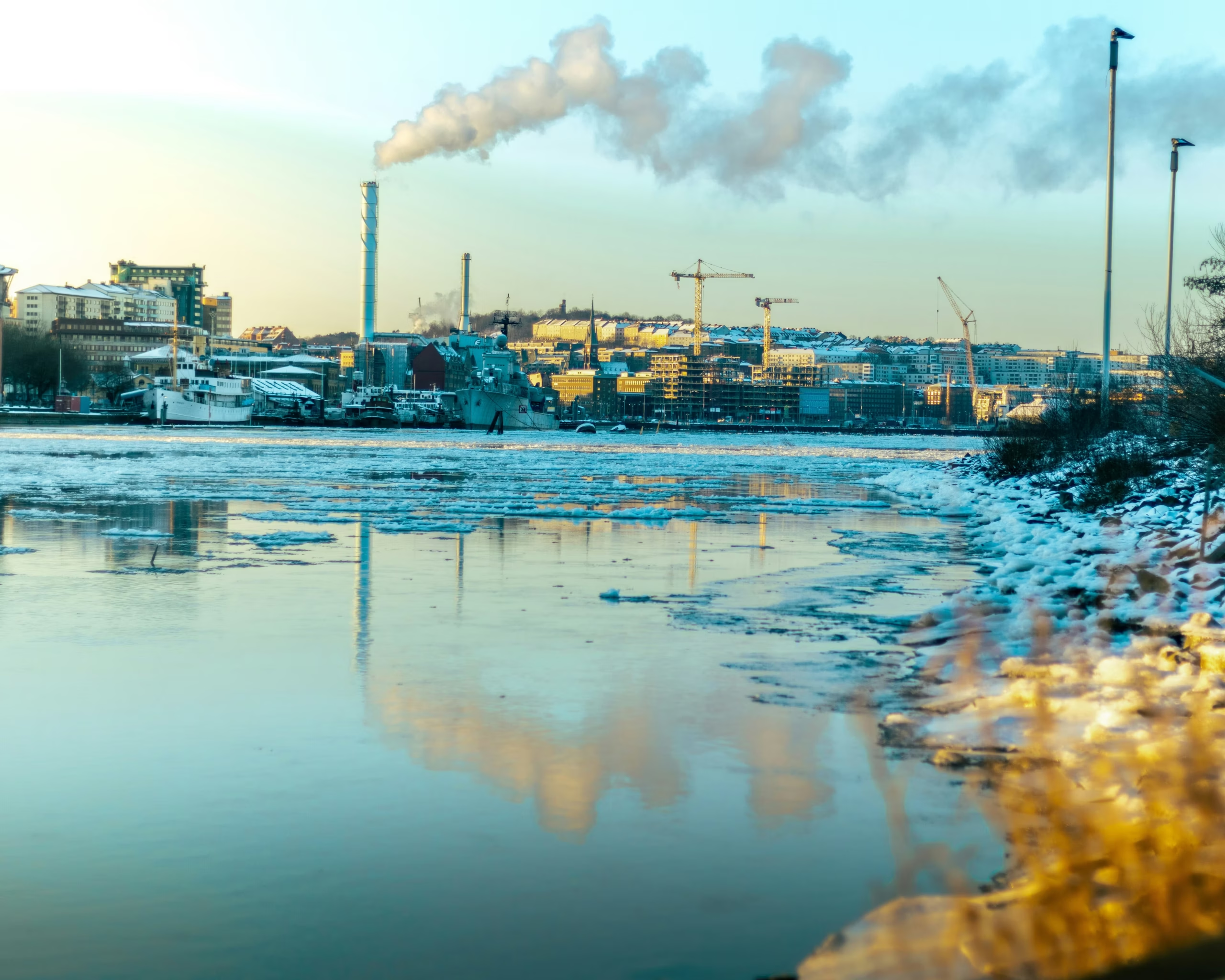
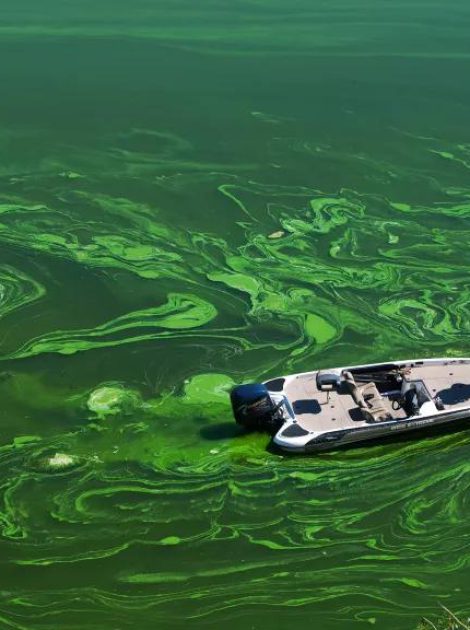
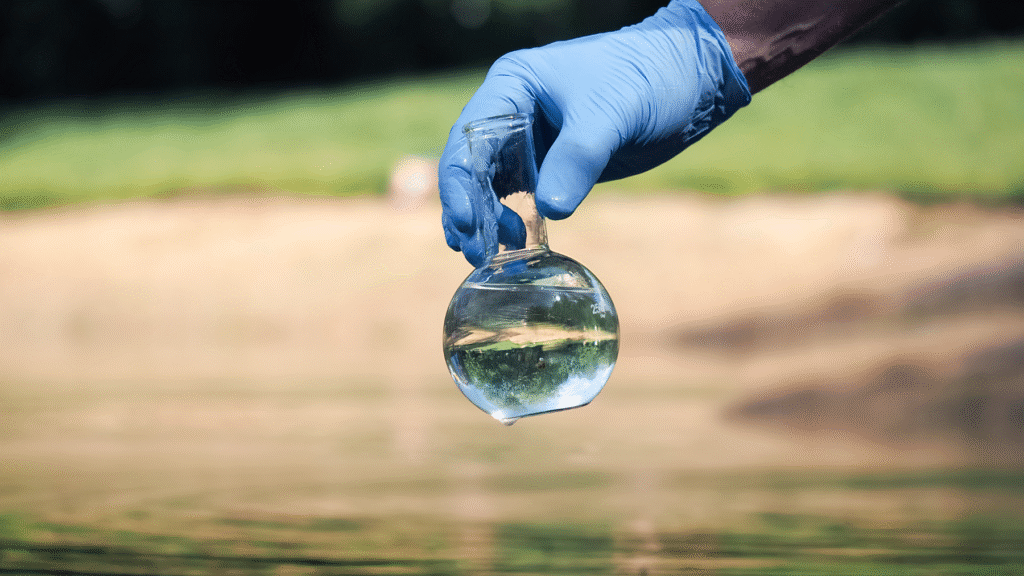
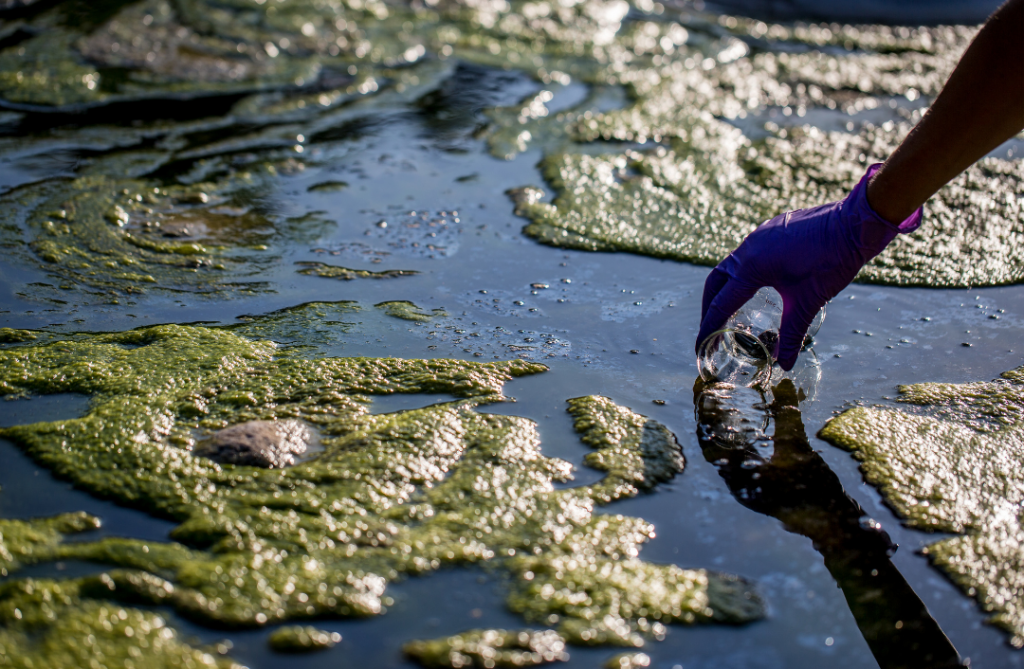
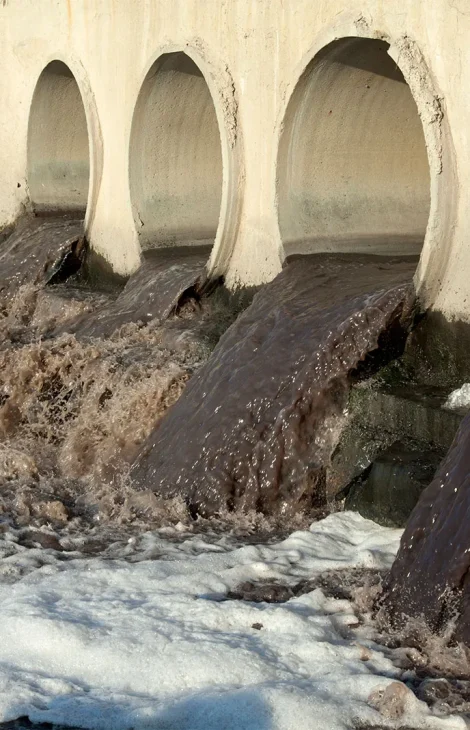
Water pollution refers to the phenomenon where various pollutants enter water bodies like rivers, lakes, and oceans, altering the chemical, physical, and biological properties of water. This leads to water quality deterioration, not only damaging the aquatic ecological balance and threatening the survival of fish and other organisms but also potentially endangering human health through drinking water or the food chain, and affecting the safety of water used in industrial and agricultural production.
The UNEP’s 2021 *Global Water Resources Assessment Report* shows about 8 million tons of plastic waste enter oceans annually, decomposing into microplastics that harm marine life, enter food chains, threaten human health, and alter ocean properties. Chemical runoff pollution from agricultural fertilizers/pesticides and industrial heavy metals/chemicals affects 40% of global rivers and lakes. Since the Industrial Revolution, ocean acidification has intensified as oceans absorbed 30% of human CO₂ emissions, lowering seawater pH by 0.1. This fatally impacts coral reefs, causing widespread bleaching and extinction risks.
water pollution
Current trend
60% of global rivers and lakes are polluted, causing 1 million deaths annually. Industrial wastewater, agricultural chemicals, and domestic sewage are primary pollutants. In severely polluted areas, economic growth has dropped by 1/3, and GDP growth in downstream regions of middle-income countries has nearly halved.
water pollution
future prediction
Without intervention, water pollution may impose $23 trillion in global losses by 2050, but a $460-billion investment could mitigate the crisis. Future governance will trend toward intelligent and low-carbon solutions. The global target is to restore 150 million hectares of degraded water bodies by 2030, though urbanization and climate change may exacerbate nitrogen pollution and water salinization.
Future scenarios if this issue remains unresolved
Health crises worsening: Toxins in polluted water cause surging diseases like hepatitis and cancer via drinking water or food chains.
Ecosystem collapse: Aquatic life dies off, food chains break, and lakes lose ecological functions, shrinking biodiversity.
Worsened water scarcity: Polluted freshwater reduces agricultural irrigation (risking crop contamination) and stalls industrial production.
Climate ripple effects: Damaged aquatic systems disrupt carbon cycles, worsening global warming through lost wetland regulation.