LAND POLLUTION
Significance
Current trend
Future scenario
WHAT IS LAND POLLUTION?
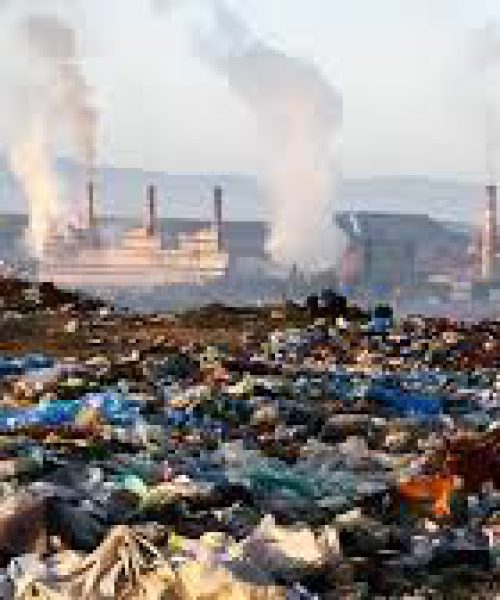
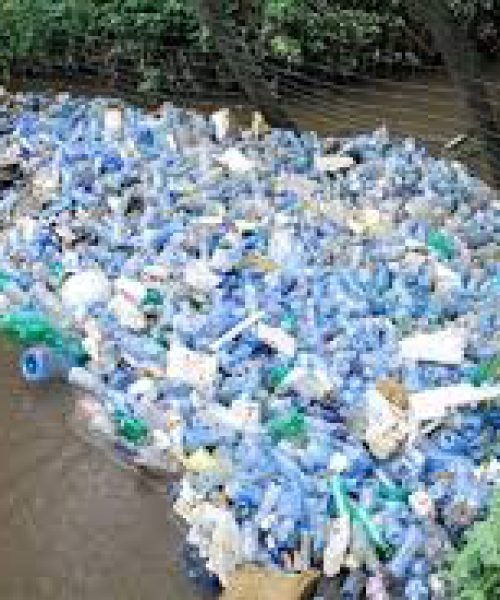
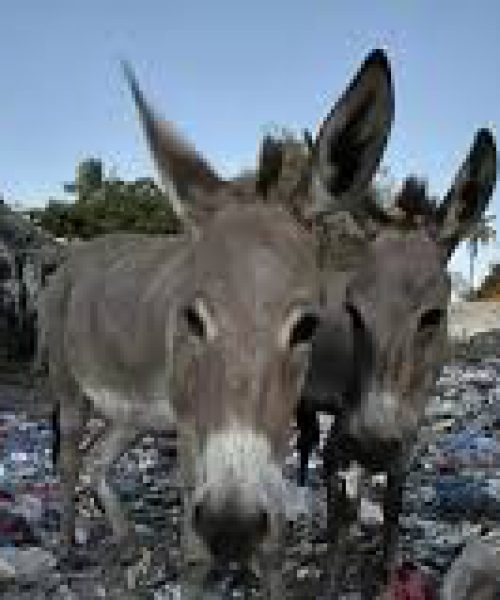
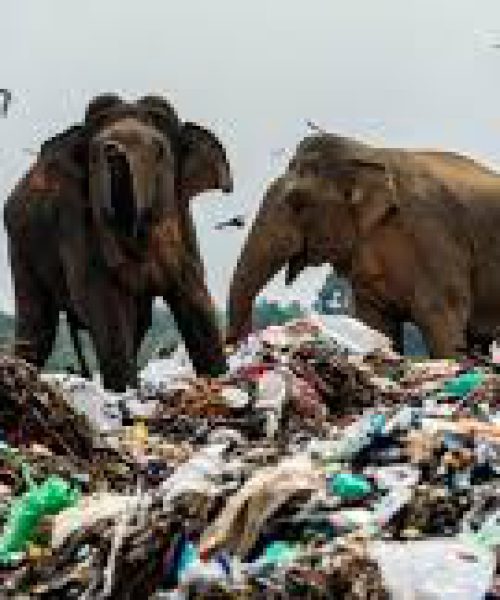
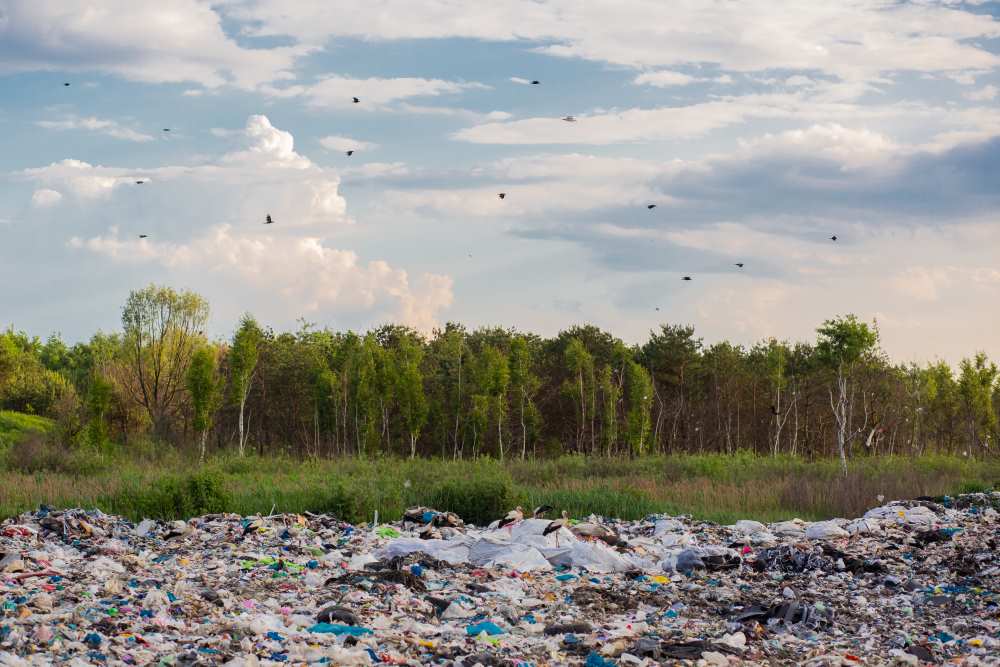
Land pollution refers to the phenomenon where human activities release harmful substances into terrestrial ecosystems, causing disruption of ecological balance. Industrial wastes, agricultural chemicals, and household garbage introduce heavy metals and organic pollutants into the soil, damaging its structure, reducing fertility, and entering the food chain through plants, thus threatening human health and biodiversity.


WHY IS IT SIGNIFICANT?
As urbanization and industrialization accelerate, more land is used for construction and industry, worsening e-waste issues. ITU and UNU data show over 50 million tons of e-waste is produced annually. Heavy metals like lead, mercury, and cadmium in e-waste—if mismanaged—seep into soil, polluting it, harming fertility and crops, and threatening global food security.
Current Trend & Future Predictions
Current Situation
Trends
Future scnario if this problem remains unsolved
- Food crisis: Soil pollution leads to reduced crop yields and quality, with global arable land potentially shrinking further by 2050, threatening food security.
- Ecological collapse: It damages soil structure and biodiversity, triggering disasters like soil erosion and disrupting ecological balance.
- Health threats: Pollutants enter the human body through the food chain, significantly increasing risks of diseases and fatalities.
- Economic losses: Land degradation is expected to cause $23 trillion in economic losses by 2050, while treatment costs will hinder economic development.
- Environmental deterioration: Landfill waste increases greenhouse gas emissions and exacerbates water pollution, creating a vicious cycle.