AIR POLLUTION
What is air pollution?
Introduction
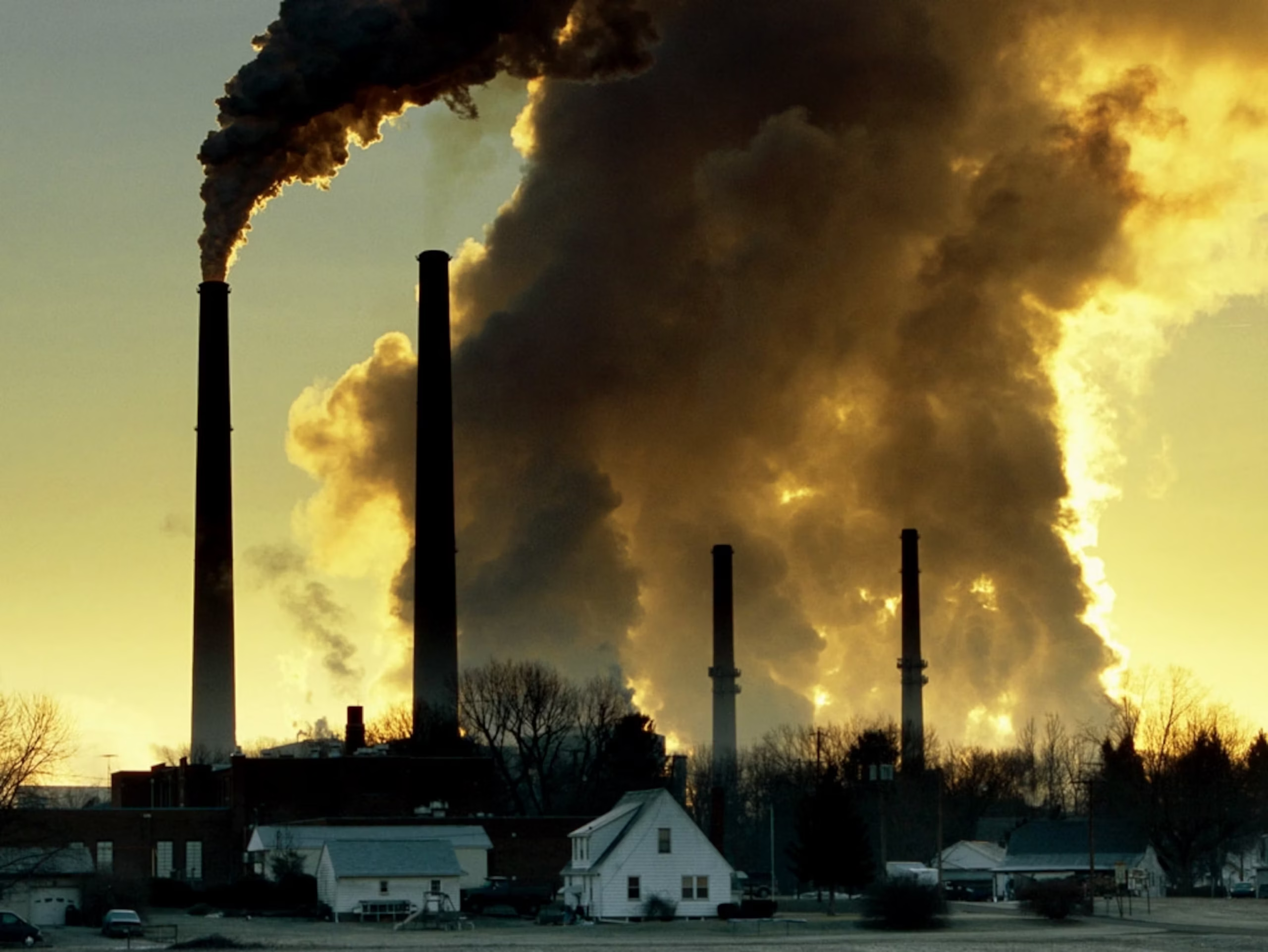
Air pollution means harmful substances (like sulfur dioxide, nitrogen oxides, PM, VOCs) from human activities or natural processes enter the atmosphere, changing its composition and quality. This harms human health, ecosystems, and climate. Pollutants come from industrial emissions, car exhaust, fossil fuel burning, straw incineration, etc. They cause respiratory and cardiovascular diseases and global issues like acid rain, ozone depletion, and global warming, remaining a major environmental challenge today.
Why is it significant?
The 2022 WHO Global Air Quality Report states that 99% of the world’s population breathes unsafe air. Since the Industrial Revolution, fossil fuel combustion has pushed atmospheric CO₂ levels from ~280ppm to ~420ppm, with rising methane emissions worsening global warming—triggering glacier melting and sea-level rise.
The 2022 WHO Global Air Quality Report states that 99% of the world’s population breathes unsafe air.
The Montreal Protocol has slowed Antarctic ozone layer depletion, and the ozone hole hasn’t returned to pre-industrial levels
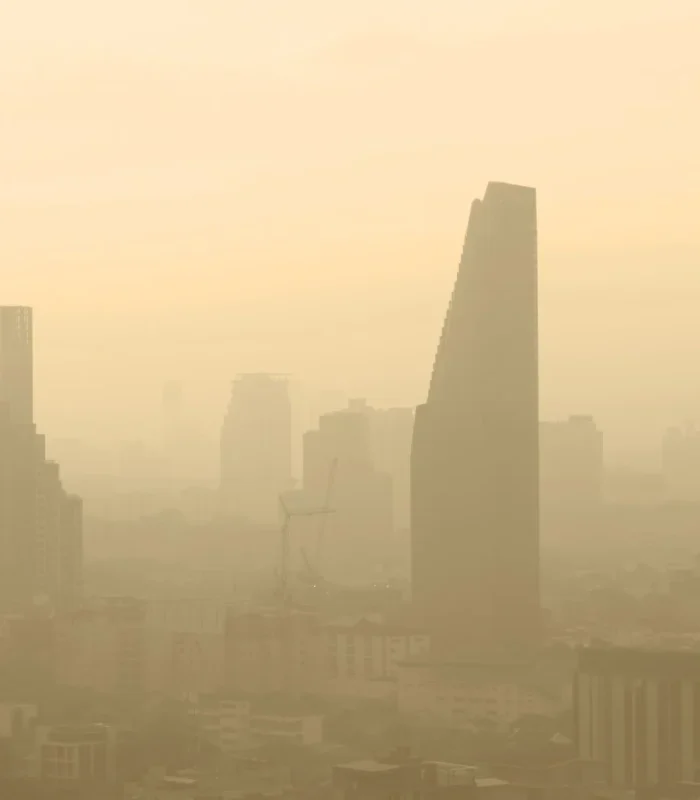
PM2.5 pollution is severe in industrialized urban areas, with annual concentrations in some major developing cities exceeding safety standards by multiples. While the Montreal Protocol has slowed Antarctic ozone layer depletion, the ozone hole hasn’t returned to pre-industrial levels, increasing UV radiation that threatens human health, wildlife, and plants.
Current Trend
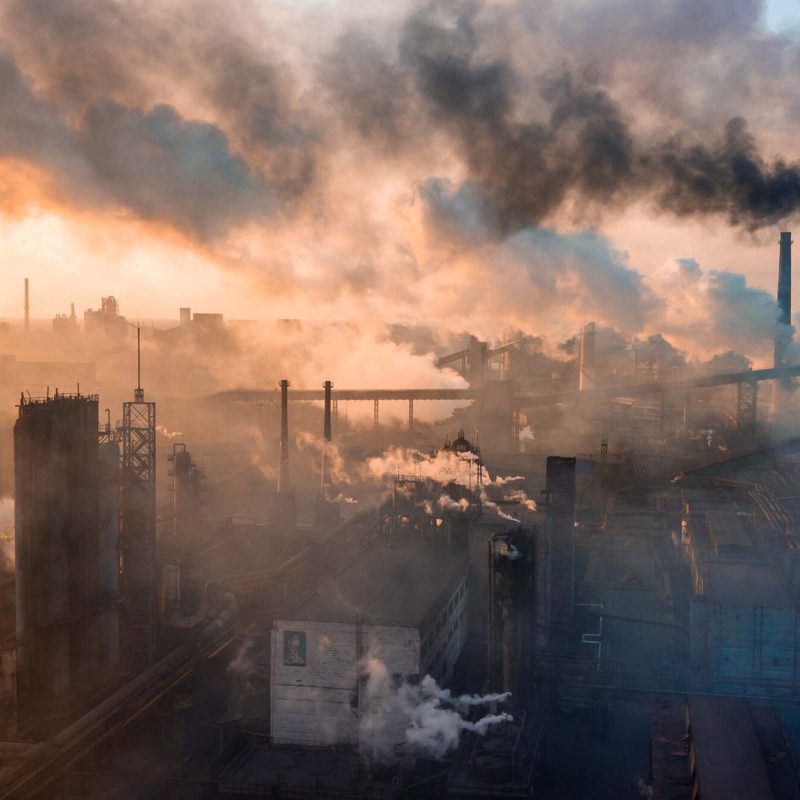
Air pollution remains a serious issue in many parts of the world, especially in developing countries. Major sources such as industrial emissions, vehicle exhaust, and coal combustion contribute to high levels of PM2.5, ozone, and nitrogen dioxide, posing significant threats to human health and the environment.
Future Prediction
air pollution
In the future, air quality is expected to improve in some countries due to stricter environmental regulations, the adoption of clean energy, and technological advancements. However, global climate change, urbanization, and emerging pollution sources may introduce new challenges, requiring ongoing monitoring and management.
Future scenario if this issue remains unsolved
air pollution
- Health crisis:Respiratory diseases could affect 1 in 3 people globally, with annual deaths expected to exceed 9 million by 2050. Airborne pollutants may increase heart attack risks by 25% in cities.
- Ecological damage:Acid rain may damage 30% of global forests by 2040, while tropospheric ozone could reduce crop yields by 15–20%.
- Economic losses:Annual productivity losses from pollution-related illnesses may reach $26 trillion by 2060. Tourism in iconic sites could decline by 40%.
- Climate impacts:Black carbon may accelerate Arctic ice melt by 15%, and reduced vegetation could raise atmospheric CO₂ by 10 ppm in 30 years.
Hope for mitigation:
According to the International Energy Agency (IEA), investing $1.8 trillion annually in clean energy and other measures could halve the risks by 2040. Cities like London and Beijing have reduced PM2.5 concentrations by 40% within a decade through strict regulations.